Project Info
(Apologies for the hard-to-see display of the widgets, its hard to take a video of a screen in glasses.) GIT REPO CAN BE FOUND HERE: https://github.com/Aephn/calhacks-Insight
Inspiration
We all like augmented reality hardware, but find the user experience to be lacking, the designs unappealing, and the utility to be near non-existent. We decided to create a platform to address these criticisms of the augmented reality landscape.
What it does
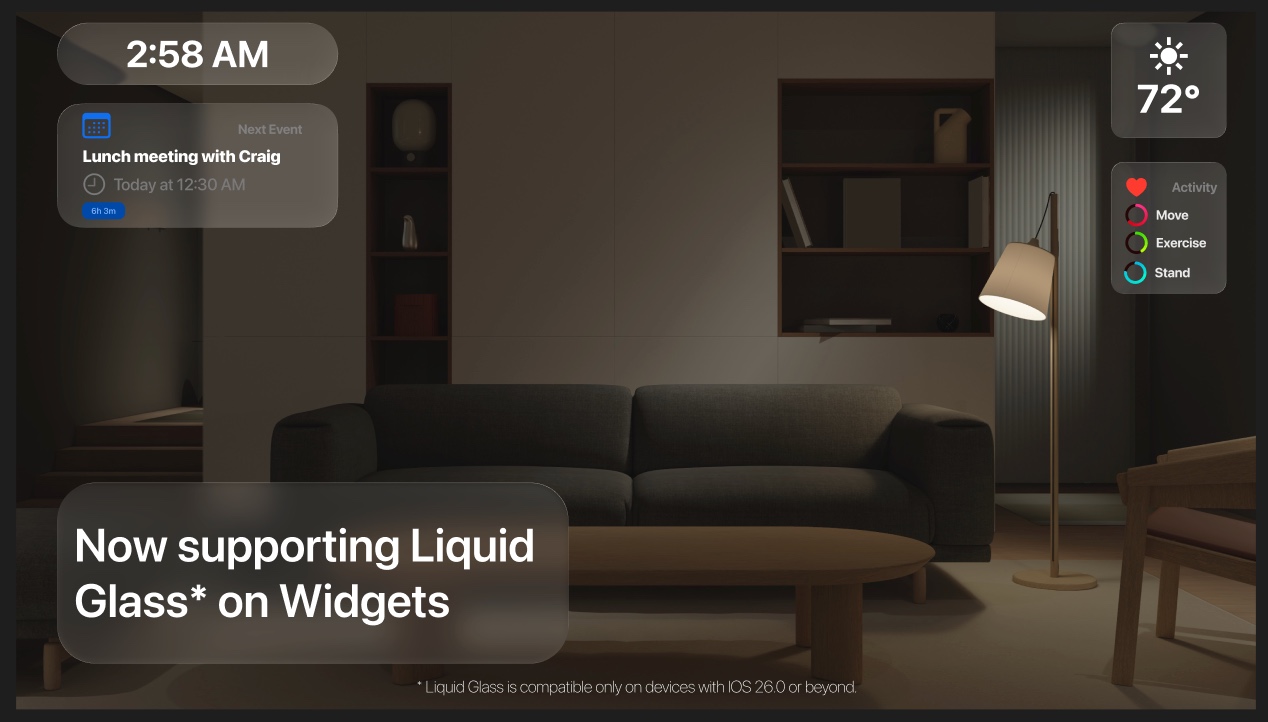
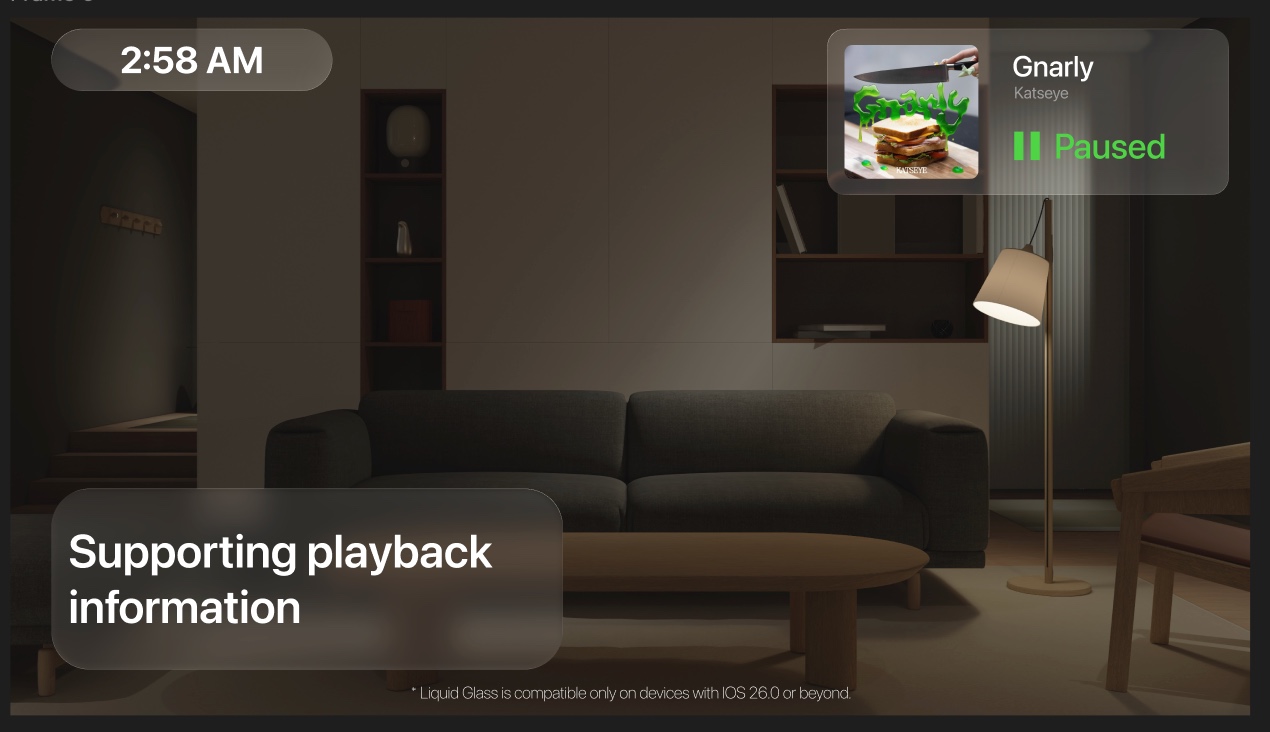
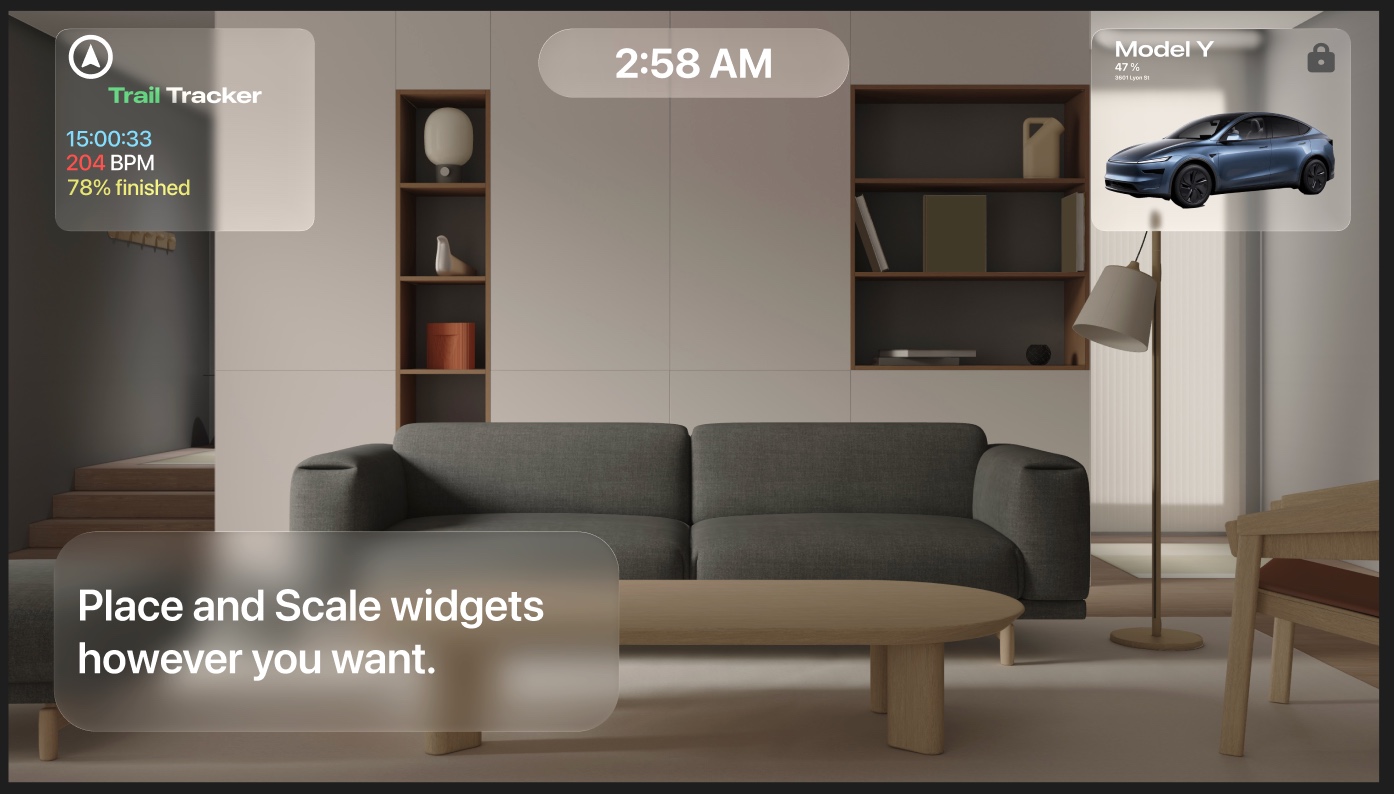
Project InSight is a pair of understated augmented reality glasses that are designed to operate without an internal computer and interface, either wired or wireless, with a tethered device. This allows us to achieve better battery life, comfort, energy efficiency, and at a lower cost. Alongside the head mounted display, the InSight software allows for an unmatched degree of user customization with a near infinite number of information displayable, the separation between your minds eye and reality is non-existent.
How we built it
We first began spec'ing out the hardware we were going to use to demo the software. We went with a pair of Sony μ-OLED displays originally designated for automotive applications with the intent of using them for stereoscopic 3D, a series of custom ribbon cables and a small driver board to allow them to be interfaced with via Type-C Display Port. That display port connection is either used to connect internally to a SBC performing a P2P connection with an external computer or as a direct connection to a pocket computer such as a smartphone. After settling on the hardware we spent the vast majority of the hackathon chipping away at the software.
Challenges we ran into
We designed a custom frame that we were going to 3D print, but because of the internet issues plaguing Calhacks we were unable to do so. As a result, we were unable to create a dual-screen implementation of our test hardware that had a satisfactory user experience because of display alignment issues. The lack of custom frames was the root cause of numerous packaging issues that ultimately lead us to abandon our wireless prototype in favor of a lighter, tethered approach.
Accomplishments we're proud of
We were able to produce both custom hardware and software in a time crunch despite numerous roadblocks. From facing design challenges on what our roadmap should look like to understanding what is optimal for our hardware packaging, we were able to leap through each hurdle with a creative fix.
What we learned
We learned more about the development of creating an app through Swift, along with putting together hardware to match with our operating system. We also learned from experimenting with multiple different types of integrations and working amongst group members to create an equal and quick workflow to reach our deadline.
What's next
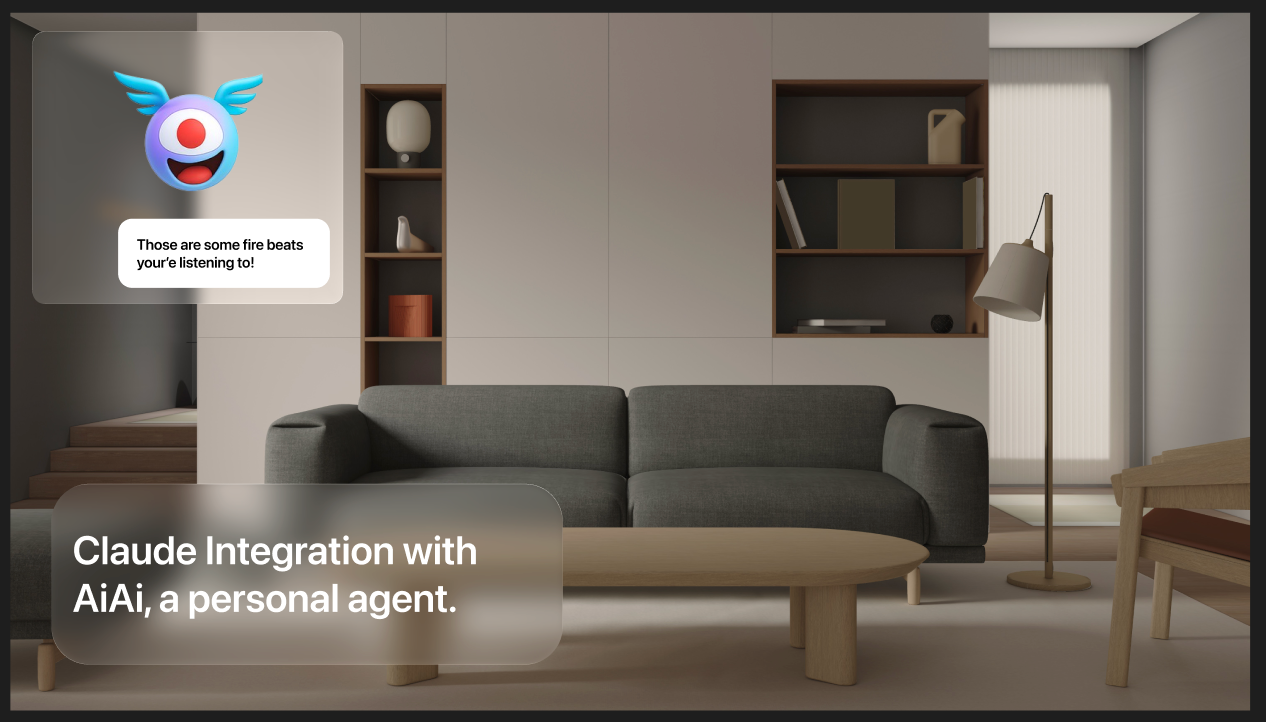
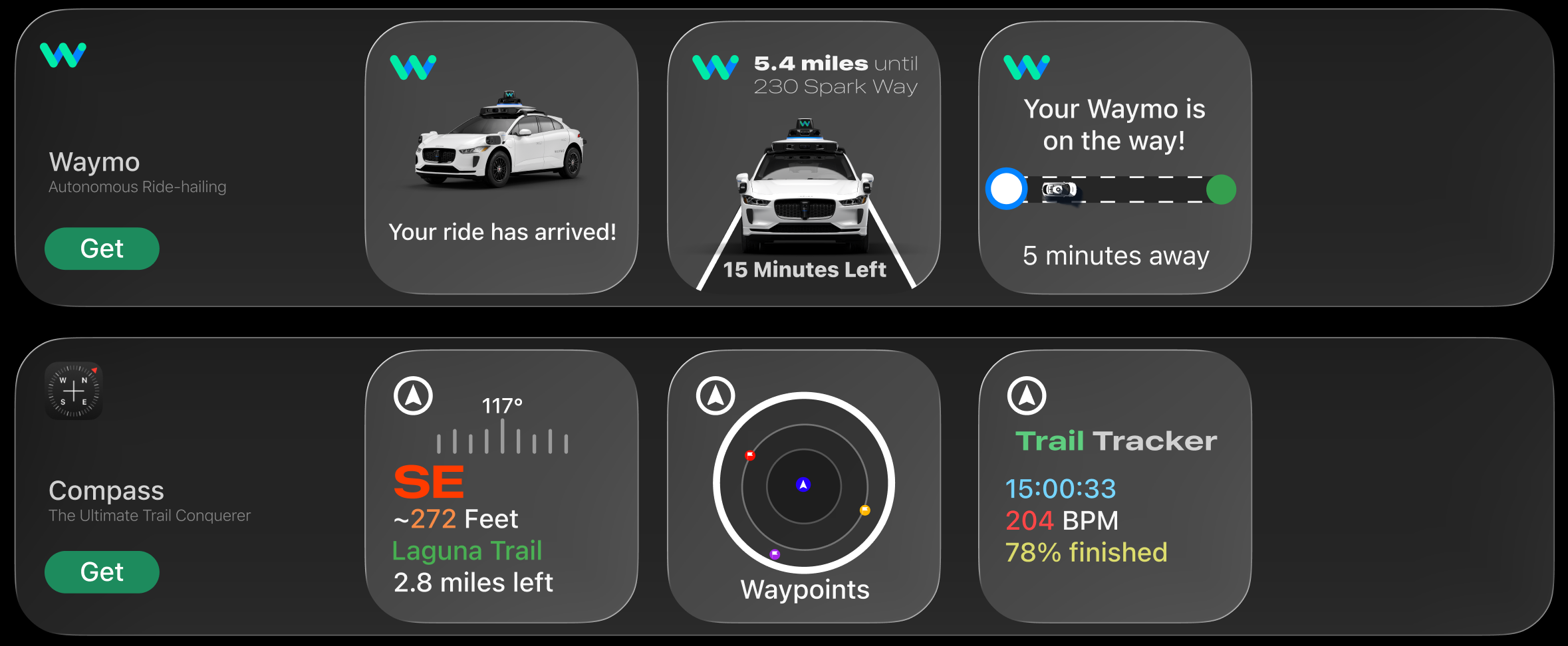
We plan to involve more integrations with other APIs to provide even more widgets and create a more compact packaging in the future. We would also look into a wireless solution along with range extender options for an even more seamless experience for the user. Another feature we have on our roadmap is to offer dual display lenses to create stereoscopic 3D views for the user to get an even more immersive view.
Insight (CalHacks 25')
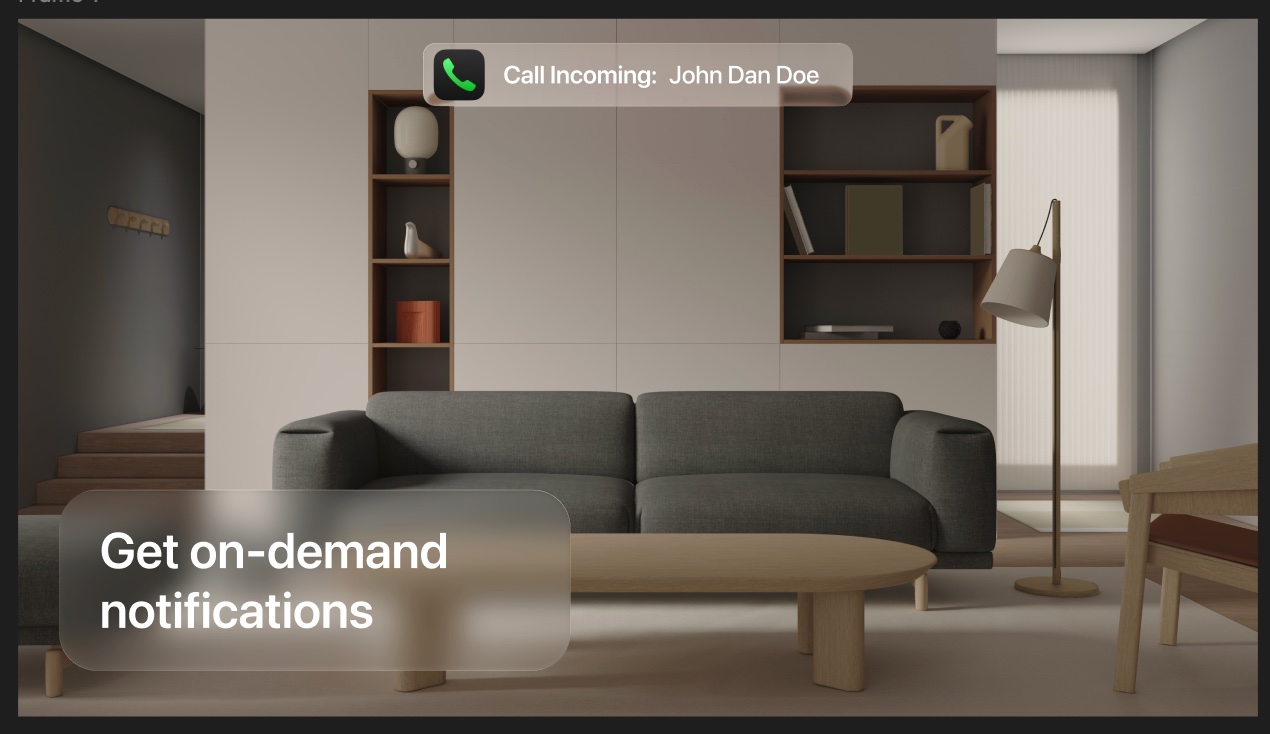
This repo is the IOS backend in Swift handling the displaying of widgets and other associated pieces of software for the associated AR/VR glasses (hardware agnostic) for the Insight project, created for the CalHacks 2025' hackathon.
Inspiration
We all like augmented reality hardware, but find the user experience to be lacking, the designs unappealing, and the utility to be near non-existent. We decided to create a platform to address these criticisms of the augmented reality landscape.
Many "smart glasses" overly emphasize AI-first features, while neglecting the fundementals. Thus, we decided to implement software ourselves.
What it does
Project InSight is a pair of understated augmented reality glasses that are designed to operate without an internal computer and interface, either wired or wireless, with a tethered device. This allows us to achieve better battery life, comfort, energy efficiency, and at a lower cost. Alongside the head mounted display, the InSight software allows for an unmatched degree of user customization with a near infinite number of information displayable, the separation between your minds eye and reality is non-existent.
How we built it
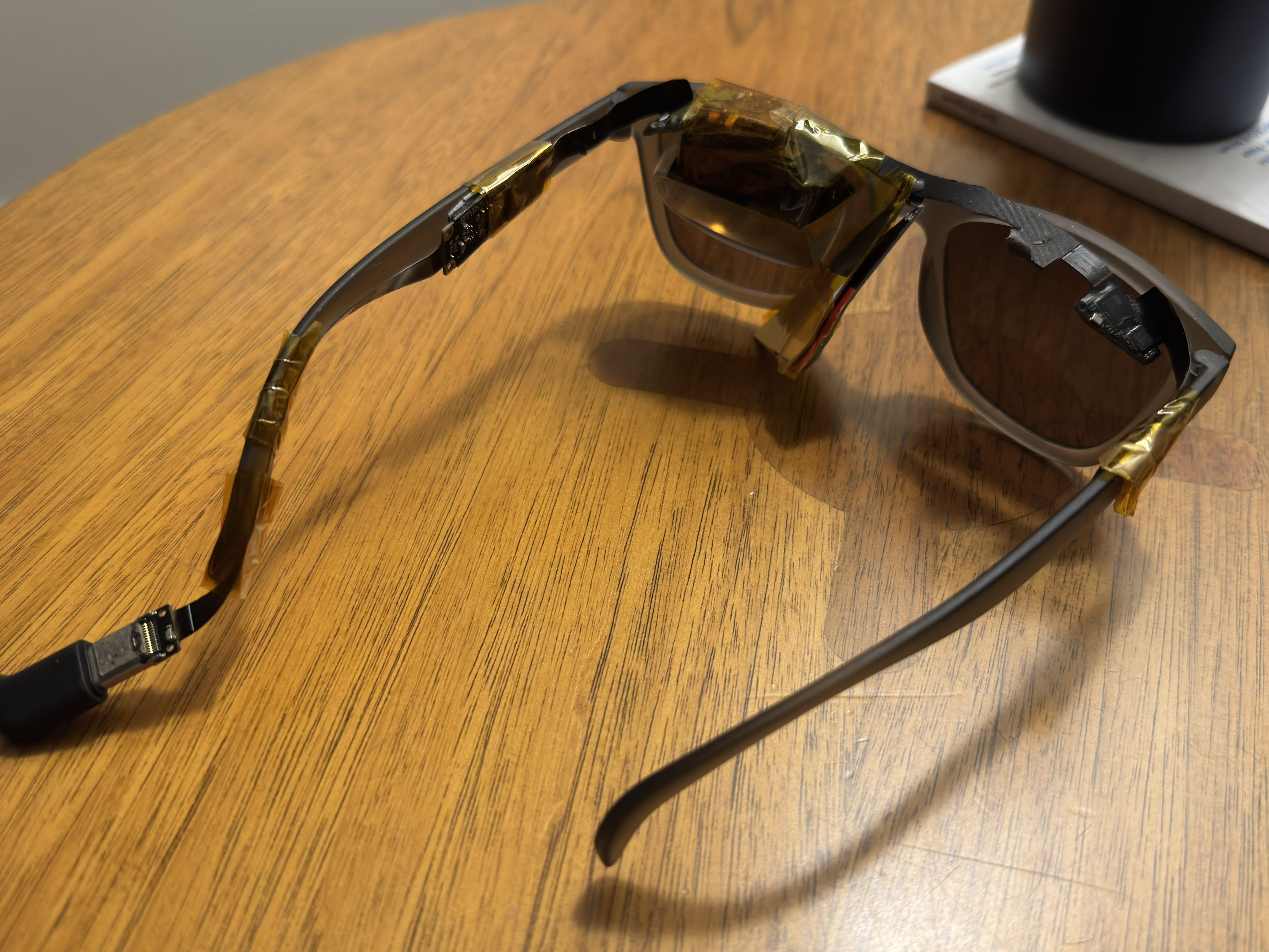 We first began spec'ing out the hardware we were going to use to demo the software. We went with a pair of Sony μ-OLED displays originally designated for automotive applications, a series of custom ribbon cables and a small driver board to allow them to be interfaced with via Type-C Display Port. That display port connection is either used to connect internally to a SBC performing a P2P connection with an external computer or as a direct connection to a pocket computer such as a smartphone. After settling on the hardware we spent the vast majority of the hackathon chipping away at the software.
Challenges we ran into
We designed a custom frame that we were going to 3D print, but because of the internet issues plaguing Calhacks we were unable to do so. As a result, we were unable to create a dual-screen implementation of our test hardware that had a satisfactory user experience because of display alignment issues. The lack of custom frames was the root cause of numerous packaging issues that ultimately lead us to abandon our wireless prototype in favor of a lighter, tethered approach.
Accomplishments that we're proud of
We were able to produce both custom hardware and software in less than two days, despite numerous roadblocks.
What we learned
Nobody expects the Spanish Inquisition.
What's next for Project InSight
The world may never know...
Images



Analysis
View
Metric
- 58
- 8


Figures cover GitHub contributors during the hackathon window. A co-authored commit counts in full for each author, so per-member totals add up to more than the whole-team figures.
Technology
- SwiftIn code
1 of 1 appear in the indexed code.
AI coding agents
No AI coding agent signals were found in this repository.
Detected from committed agent config files and commit authorship. Absence of a signal is not proof an agent was unused.
Codebase size
Source size
211 KB
Source files
25
Counts recognized source files only; vendored directories, binaries and lockfiles are excluded, so this is smaller than the repository on disk.
Repository
Aephn/calhacks-Insight
69 files · 8.5 MB · @ 7328e22
Structure
Interface
10 files · 14%Screens, components and styles rendered to the user.
Application logic
27 files · 39%Domain rules, services and shared utilities.
+3 moreData & schema
2 files · 3%Schema definitions, migrations and data access.
Supporting
Layers are inferred from where files sit in the tree, not from reading the code. A project that names its directories unconventionally will read oddly here — open the file browser to check anything the diagram implies.
Languages
- Swift93%
- Markdown7%
Share of indexed source by file size. Binary and vendored files are excluded.
This project’s features have not been analysed yet.
Export this project's context (description, README, evidence, key source files) to chat with an AI agent elsewhere.